
Growing Summer and Winter Squash.
The abundance and array of flavors in the squash family make it a mainstay in many gardens. Summer squash and zucchini are enjoying a renewed popularity as a low carb, gluten free alternative to pasta. Spaghetti squash works nicely in a wheat free diet as well. Summer squashes are plentiful providers; therefore numerous recipes are required.
Zucchini fritters, pan fried yellow squash slices, grilled zucchini and shredded zucchini in scrambled eggs with Romano cheese are just a few of the hundreds of dishes to be made. Zucchini stew with chunks of onion, tomato and Italian sausage freezes beautifully in pint sized mason jars. Spicy summer squash and corn chowder does too.
Winter squash dishes can be so much more than a baked half with butter. Peel and sauté thin slices in coconut oil. Puree butternut squash with carrots, cream and a bit of fresh rosemary for a gorgeous soup. Add chunks of large green Tatume to stews and soups. Bake a spicy meatloaf mix in a spaghetti squash halves and serve thick slices with marinara. Winter squash require no preparation to store in a root cellar, making them a thrifty part of your winter larder.
All squashes are warm weather crops, but bush varieties will work well at altitude or in cool climates. For these short season areas, starting seeds indoors will give you a head start, however direct seeding works better. After all danger of frost has passed, sow our heirloom squash seeds 1″ to 2″ deep with plenty of room to grow. Squash plants are heavy feeders and require regular watering. All are susceptible to cucumber and squash beetles. Look closely for the first few to arrive, turning leaves over to inspect for eggs. An organic pyrethrum or neem oil mix sprayed at the first signs will help. Nasturtiums planted in between will repel some of these pests.
Summer type squash are mostly bushing type squash which need 40 to 60 days to fully mature and grow. Normally planted 2-3 weeks after your last frost, summer squash require less space both between plants and for their roots than vining squash plants. Summer bush of zucchini and summer squash like scallop squash, crookneck and Bushing winter squash like Table Queen acorn squash requires 3′ between plants in rows 4′ to 5′ wide.
Good companions for summer squash include nitrogen fixers like beans and peas, and pest distractors like radishes, nasturtiums and marigolds.
-
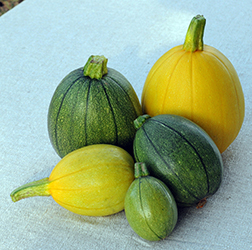 Squash – Tatume – CalabaciaPrice range: $2.60 through $22.20
 -
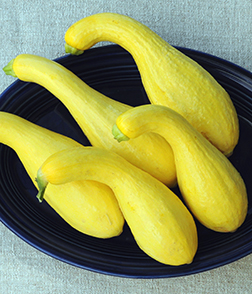 Squash Summer – Dwarf Summer CrookneckPrice range: $2.60 through $19.00
 -
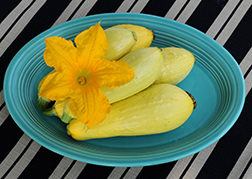 Squash Summer – Early Prolific StraightneckPrice range: $2.60 through $19.00
 -
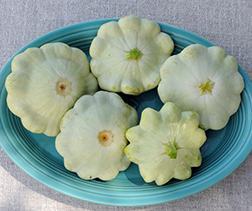 Squash Summer – Early White Bush ScallopPrice range: $2.60 through $19.60
 -
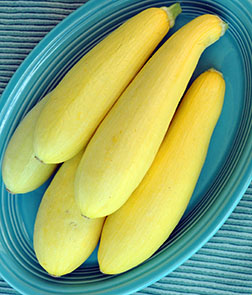 Squash Summer – EnterprisePrice range: $4.30 through $78.00
 -
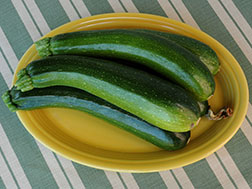 Zucchini – Black BeautyPrice range: $2.60 through $19.00
 -
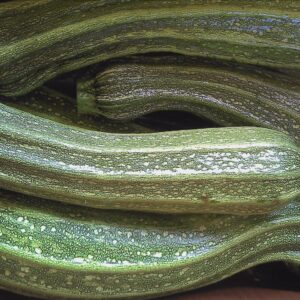 Zucchini – Costata RomanescoPrice range: $2.60 through $34.60
 -
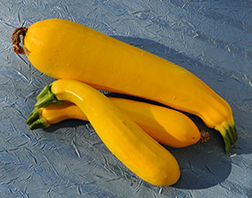 Zucchini – GoldenPrice range: $2.60 through $28.40
 -
 Zucchini – GreyPrice range: $2.60 through $19.00
 -
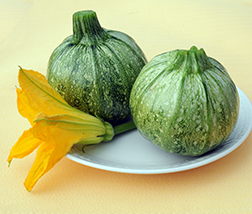 Zucchini – RoundPrice range: $2.60 through $18.70
 -
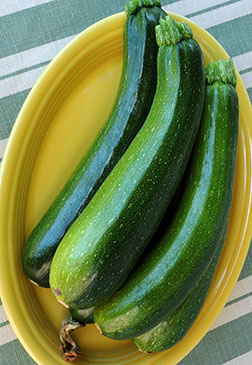 Zucchini – Spineless BeautyPrice range: $5.30 through $108.80
 -
Zucchini – Spineless SupremePrice range: $6.30 through $141.00
Winter type squash are mostly vining squash (we do have a few “bush” types with shorter vines) which need 80 plus days to fully mature and grow. Normally planted 2-3 weeks after your last frost, winter squash also need space both between plants and for their roots. Vining squash plants like butternut, buttercup, Tatume and spaghetti squash should be planted 3′ to 4′ apart in rows 6′ apart. Large squash Hubbard and Pink Banana squash should be in rows 9′ apart.
Good companions for winter squash include sweet corn, beans, spinach and pest distractors like radishes, nasturtiums and marigolds.
-
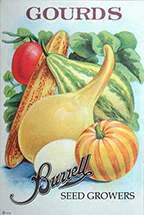 Gourd/Squash – Cucuzzi Italian EdiblePrice range: $2.60 through $114.20
 -
Squash – Tatume – CalabaciaPrice range: $2.60 through $22.20
-
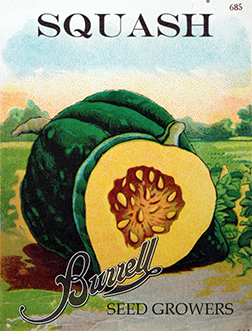 Squash Winter – Acorn Bush Table KingPrice range: $2.60 through $39.90
 -
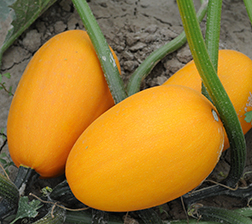 Squash Winter – Angel Hair Mini Spaghetti F1Price range: $5.00 through $101.20
 -
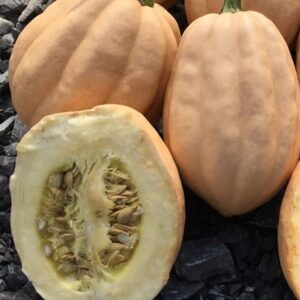 Squash Winter – Baked Potato Acorn F1Price range: $6.30 through $174.20
 -
Squash Winter – Bush Table Queen AcornPrice range: $2.60 through $39.90
-
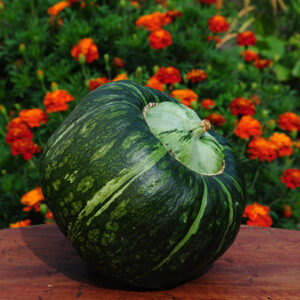 Squash Winter – ButtercupPrice range: $2.60 through $31.10
 -
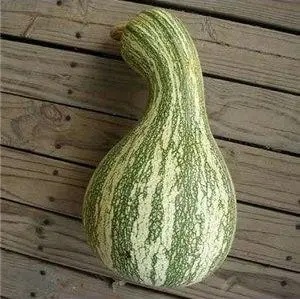 Squash Winter – Cushaw Green StripePrice range: $2.60 through $23.10
 -
 Squash Winter – DelicataPrice range: $2.60 through $57.60
 -
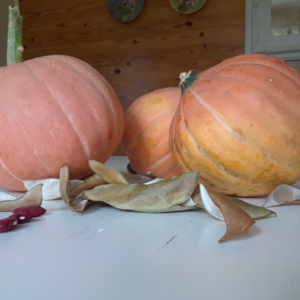 Squash Winter – Golden NuggetPrice range: $2.60 through $57.60
 -
 Squash Winter – Hubbard BluePrice range: $2.60 through $39.90
 -
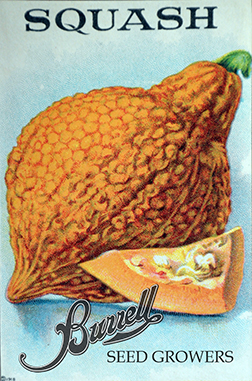 Squash Winter – Hubbard GoldenPrice range: $2.60 through $39.90
 -
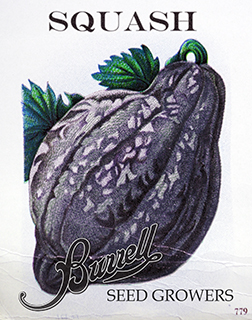 Squash Winter – Hubbard Warted ChicagoPrice range: $2.60 through $39.90
 -
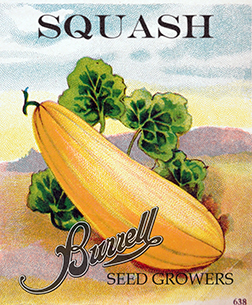 Squash Winter – Pink Banana JumboPrice range: $2.60 through $27.50
 -
Squash Winter – Small Wonder Mini Spaghetti F1Price range: $5.40 through $118.20
-
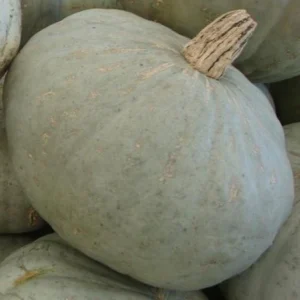 Squash Winter – Sweet MeatPrice range: $2.60 through $48.70
 -
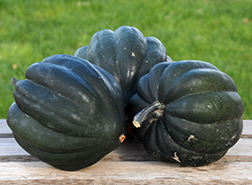 Squash Winter – Table Queen AcornPrice range: $2.60 through $22.20
 -
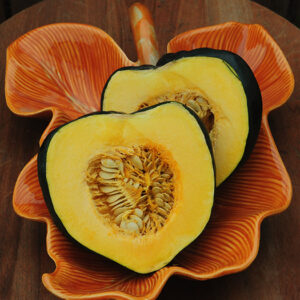 Squash Winter – Taybelle PM Acorn F1Price range: $4.20 through $75.40
 -
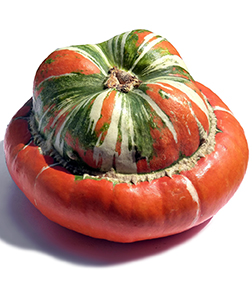 Squash Winter – Turk’s TurbanPrice range: $2.60 through $57.60
 -
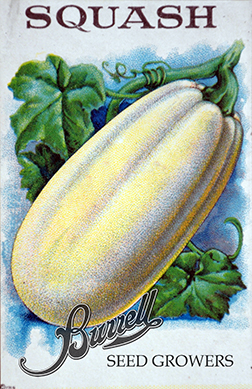 Squash Winter – Vegetable Spaghetti ImprovedPrice range: $2.60 through $22.20
 -
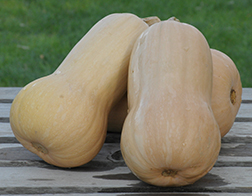 Squash Winter – Waltham ButternutPrice range: $2.60 through $20.50
